





Foundations For Life:
A summary
Understanding Social and Emotional Development in Early Childhood.
Scroll down






Chapter 1
Why social and emotional skills matter
Social and emotional skills are a range of skills that shape who we are, how we manage our emotions and thoughts, communicate with and relate to others, and explore the world around us. They enable us, as individuals, to live a happy, healthy life. Collectively, all our social and emotional skills contribute to a more connected, nurturing, and thriving society.
The Shaping Us Framework describes the core social and emotional skills that matter most. It comprises thirty social and emotional skills grouped into six clusters.
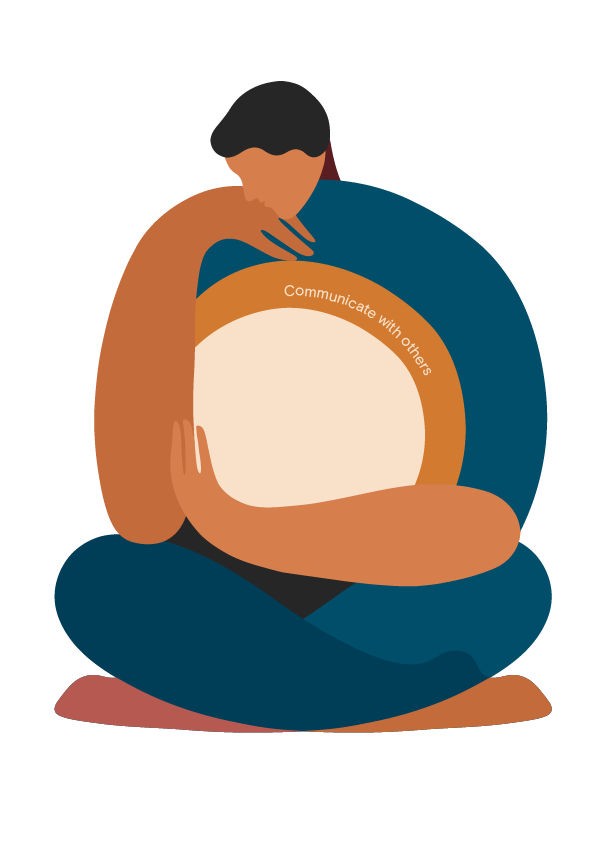
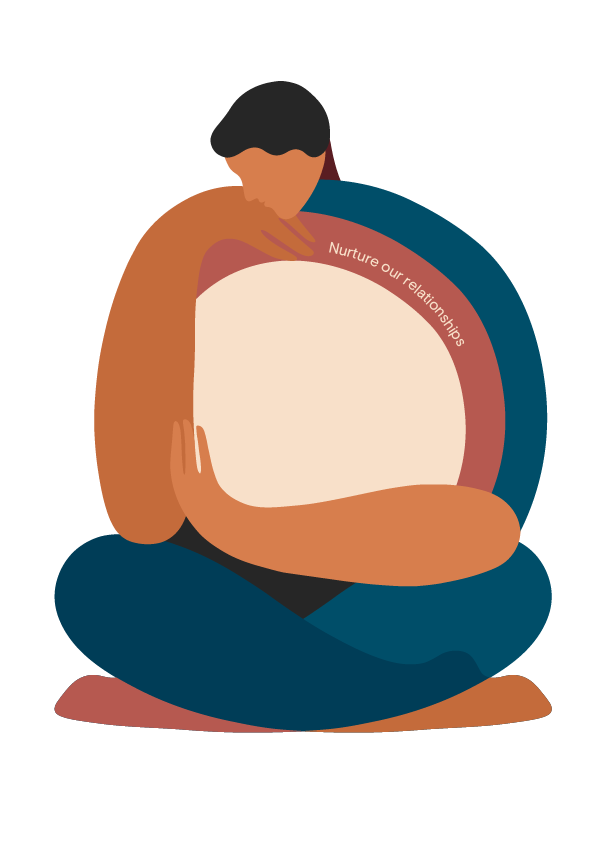
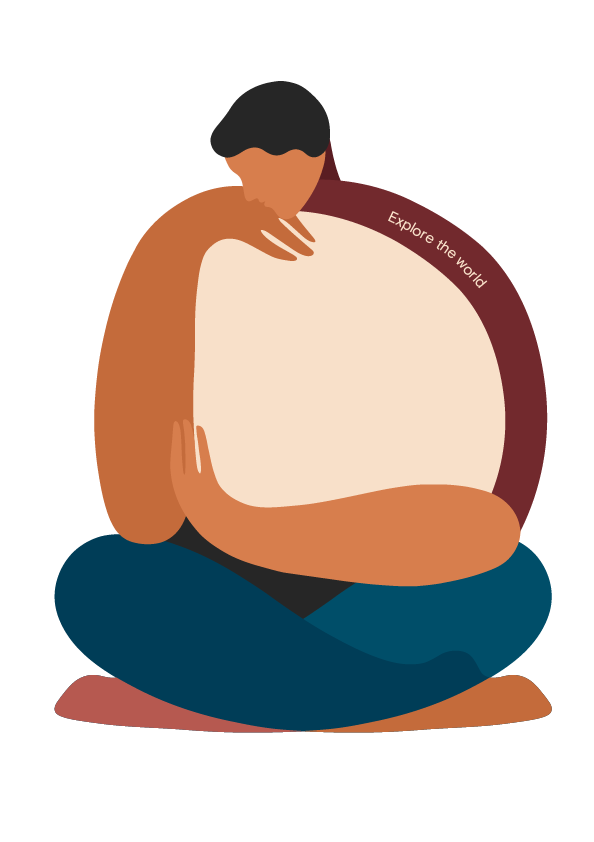
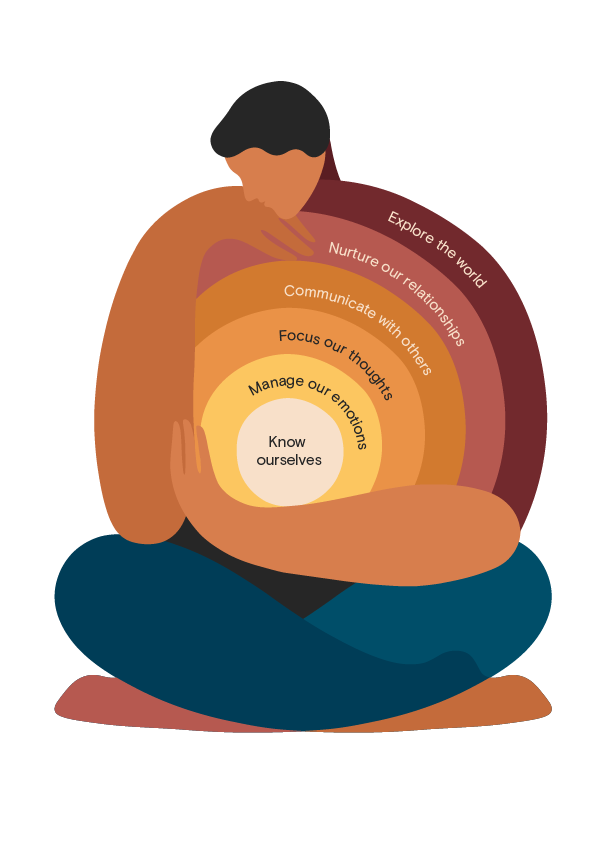
Impact of social and emotional skills on outcomes

Health and happiness
OpenSocial and emotional skills are fundamental to wellbeing and development. They enable us to be happy, to build strong and loving relationships, and to do the things that fulfil us.
In America, the Harvard Study of Adult Development has followed adults for over eighty years and has conclusively demonstrated that the quality of relationships is a better predictor of a long and happy life than IQ, income, or even our genes. Studies have found that people who have, and draw on, social support have better physical health outcomes.

Coping with adversity
OpenSocial and emotional skills set us up well to cope with whatever life throws at us. If we can respond well to stressful situations, we can cope better in adversity. And if we can build healthy connections and relationships, we can maintain strong networks of people who see us through good times and bad.

Workplace success
OpenEmployers have long recognised the importance of social and emotional skills1 for productivity and workplace success. These skills help us to collaborate, think critically, and be creative in finding new solutions. In recent research by Deloitte, business leaders recognised a growing need for employees to have social and emotional skills to adapt and thrive in the quickly changing work environment. This research also emphasised the importance of these uniquely human skills, which will be important to distinguish employees in workplaces of the future where AI is likely to play a more dominant role

The economy
OpenSocial and emotional skills have economic benefits to us as individuals, and to our society. Children with stronger social and emotional development are more likely to contribute to the economy, and less likely to incur costs to the public purse through using public services like health and social care or being involved in the criminal justice system.
Life Examples
Social and emotional skills matter at every stage of our lives. Skills such as the ability to manage emotions, get on with others, and focus attention during the pre-school years are important in supporting children to enjoy early childhood and be ready for school. They enable children to make friends, play, and learn. Social and emotional skills help children and young people to be mentally healthy. They support a positive sense of self, success at school, and the development of positive, nurturing relationships.
As adults, social and emotional skills enable us to form lasting friendships and healthy intimate relationships, to be nurturing parents and carers, and to succeed in the workplace. The vignettes below show how social and emotional skills can help us at different stages throughout life. These are just illustrative examples drawing out particular clusters of skills. Skills from every cluster of the Shaping Us framework will help us to thrive in many different ways at every stage of our lives.
Toddler
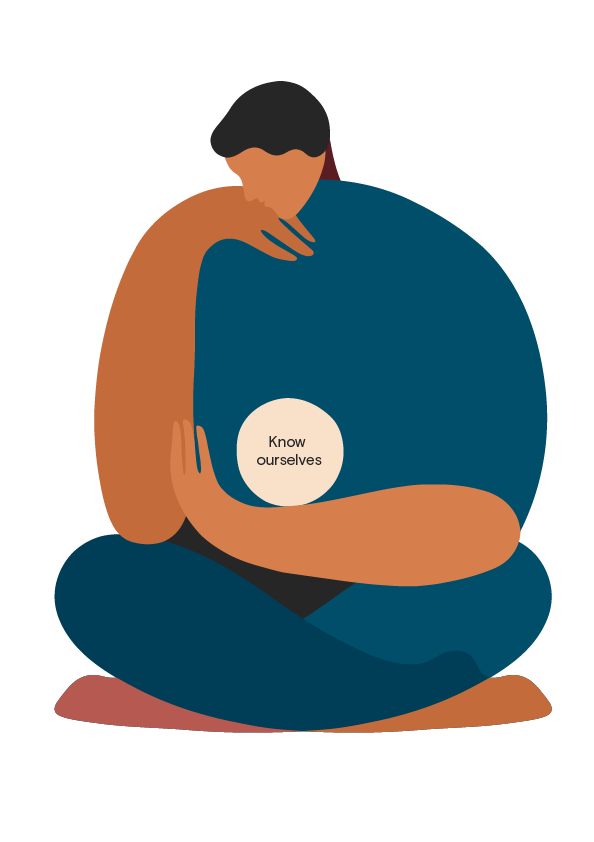
OpenKnow ourselves:
I am learning more about myself and what I like and do not like. I know that I love animals, and I enjoy reading books about them, so I have talked to my teachers to find more of these stories. My reading is getting better too, because I am following my interests and have found books I enjoy.

Primary aged child
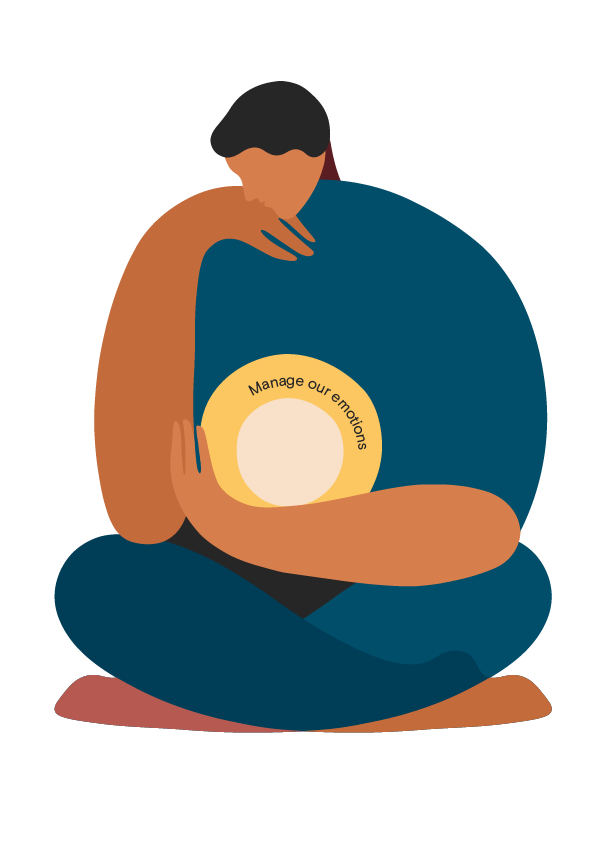
OpenManage our emotions:
I am getting better at dealing with big feelings. My mum and dad help me to notice and understand when I start to feel upset, and to talk about it. I do not get overwhelmed with big feelings like I used to. I’m also better at telling my friends how I feel. I have more fun with other children because I can keep playing, even when things do not go the way I wanted them to.

Teenager
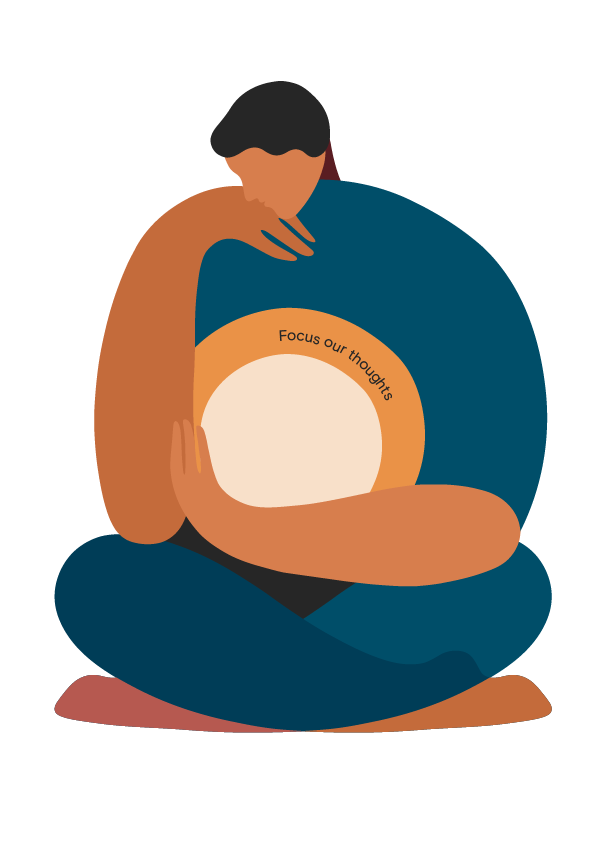
OpenFocus our thoughts:
With positive reinforcement from my coaches and teachers, I am getting better at focussing my attention, prioritising, and staying organised. This helps me to achieve good grades in my school work and to improve at the sports and hobbies I enjoy. When things are difficult, I know it’s worth persisting, practicing, and trying to get better. I stay focussed even when things are difficult and frustrating.

Young Adult
OpenCommunicate with others:
As I get older, I am becoming a better listener. I spend more time talking, observing, and reflecting so I can understand other people’s points of view, thoughts, and feelings. This has helped me at work where I encounter a more diverse range of people. I am better at connecting with people, collaborating, and avoiding conflict.

Middle Age
OpenNurture our relationships:
I’ve always had lots of good friends, but I am still finding ways to improve my relationships. I’ve spent more time considering my partners’ desires, needs, and why he behaves the way he does. I am also better at articulating my own needs and boundaries. This has helped us to develop a deeper connection.
Older adult
OpenExplore the world:
Recently, I have tried to be more curious about the world around me. When I’m outside, I notice more about the plants, sky, wildlife, and green spaces, and feel more connected with the natural world. I feel a sense of wonder and joy in things I did not even notice before, and I feel more grateful for the world around me. It helps me feel more fulfilled.
When things go wrong
Because social and emotional skills help people to understand and manage emotions and behaviours and to form positive, trusting relationships, they can reduce risky, antisocial, and harmful behaviour. Conversely, when children have particularly poor social and emotional development, without the right support, it can have serious lasting and damaging effects.
The impacts of social and emotional problems do not just impact individuals but have ripple effects for other people and wider society.
The impacts of extremely poor social and emotional development caused by significant and/or prolonged adversity in early childhood might include:
-
Violent or destructive emotional outbursts and impulsive behaviours.
-
Difficulty in forming and maintaining healthy relationships, leading to social isolation.
-
A higher tendency to internalise emotions, leading to depression, anxiety, and/or other mental health difficulties.
-
Risky behaviour, such as harmful sexual behaviour and substance misuse.
-
Long-term problems dealing with stress, leading to self-destructive behaviours and increased likelihood of physical health issues.
-
Increased likelihood of offending and involvement in the criminal justice system.
Questions for reflection
-
Which social and emotional skills do you think matter most for a happy, healthy life? Why are they important?
-
Think about how social and emotional skills are important in your life. What skills do you rely on to be effective in your work?
-
Consider the families you work with. How do you see strengths or difficulties in social and emotional skills influencing their lives?
Chapter 2
The importance of early childhood
Children’s brains and bodies develop rapidly in pregnancy and the first five years of life. This development is shaped by their relationships, experiences and environments. What happens in early childhood can have lasting impacts on how we function, form relationships, and react to the world around us throughout our lives.
-
Our early experiences shape our brains and bodies
Early childhood – the period from pregnancy until a child is five – matters in its own right. It also matters because what happens during this period lays the foundations for our lifelong health and wellbeing.
Early childhood is a period of rapid development. More than one million connections develop between a baby’s brain cells every second. By shaping this early development, we have the chance to shape a child’s future.
Many factors shape early development. While genes guide development, they do not determine how children’s brains and bodies develop. Relationships, experiences and environments, in the womb and after birth, also influence development in profound and lasting ways.
-
Early relationships, experiences, and environments change our biology
Early relationships, experiences, and environments do not just change how we think and feel. They shape our developing biology and biological systems and can even influence how genes are expressed.
Our biological systems, such as our brains and nervous systems, cardiovascular, gastrointestinal, immune, and metabolic systems, are all shaped by what happens in early life.
Our social and emotional skills and capacities as adults are dependent on these biological systems – particularly our brains, hormones, and nervous systems. These systems shape how we respond to emotions and stress, and how we feel around other people.
-
Toxic stress
When a baby or young child’s needs are not consistently met, they can experience prolonged, high levels of stress.
Experiencing abuse and adversity is stressful for children, particularly if they do not have a caring adult to soothe and protect them. It is also stressful for babies and young children to experience neglect and not have an adult who consistently responds to their emotional needs.
Some stress is normal for a child, but chronic, unregulated stress exposes their developing body and brain to high levels of stress hormones, which can be damaging. High levels of stress, sometimes called toxic stress, can have lasting impacts on health and wellbeing.
Exposure to chronic, unregulated stress can influence how children’s brains are wired and how their stress-response systems develop. This will then impact how they respond to stress in the future. It might be harder for them to respond to stress in a calm and rational way.
The impact of high levels of stress on the body has been likened to a car constantly having its engine revving constant activation of the body and brain can have damaging effects on mental and physical health. Stress weakens the immune system and increases inflammation in the body – increasing the risk of illness throughout life.
-
We adapt to our environments
Our brains and bodies are adaptive. This means we are shaped by our experiences so that we develop to be better suited for the environments we live in. For example, we are born with millions of neurons (brain cells) in areas of the brain which can process language. The words and sounds we hear determine which of these neurons connect to each other. Hearing the same sounds regularly strengthens connections between neurons. This makes our brains better at processing sounds in the languages we hear regularly. We have an innate capacity to learn language, but the language we learn depends on the words we hear. This is just one example, but our brains adapt to many different sensory inputs and experiences in early childhood too.
Our brains and bodies start to adapt to our environments even before birth.
Adaptations in the brain may not always be helpful to us. For example, a child who lives in a dangerous and stressful early environment in the womb (if the mother experiences high levels of stress in pregnancy) or after birth, may develop to be more vigilant and have a heightened response to threat.
This is adaptive in the moment, making a child better able to cope with their experiences and stay safe. However, this is less helpful in safe, predictable environments. It may lead to responses that are seen as an overreaction, and it can also have negative impacts on their health and wellbeing as their body is exposed to increased levels of stress.
-
Early development is the foundation for what happens next
Brains are built over time from the bottom up. In pregnancy and early childhood, neurons in the brain start to form new connections and circuits. Simple neural connections develop first, followed by more complex circuits which enable our brain to do more sophisticated things (as in the example of language, where we learn simple words to start with and then more complex sentences and concepts).
The early connections made in a baby’s brain form the foundations for the more complex connections that form later. This means that disruptions to development early in life can have a disproportionate impact on children’s later development and outcomes. Problems that affect the foundations of development can have a bigger impact on children’s lives than problems that might happen later, when a child already has firm foundations.
Just as a house built on unstable foundations might require reinforcement, so too a child who has had a difficult start in life may need extra support later.
-
Latent vulnerability
If there are significant challenges in a baby’s life that influence their early brain development, it can have harmful effects on later development and functioning, even if the child goes on to live in a healthy and nurturing environment. This is known as latent vulnerability.
Latent vulnerability might not always be obvious but could play out at times of stress and challenge, for example through a child or adult exhibiting unexpected emotional outbursts or social struggles. This can have negative impacts on their wellbeing and relationships which accrue over time.
Early childhood is a time of significant change, but we can always learn, develop, and heal.
Our brains are particularly malleable (open to influence) in the earliest years of life. It is easier to shape brain connections and circuits as they are forming, rather than to modify them once they are mature. This makes early childhood an age of opportunity, and of vulnerability: if we get things right it can have lifelong benefits, but early adversity can cast long shadows.
However, our future is not entirely determined by what happens in the first years of life. Our brains and biological systems can always develop, grow, and change throughout life. Humans continue to need positive relationships, experiences and environments to build on an already positive start. And, with the right support, children who have faced early adversity can go on to thrive.
Chapter 3
How social and emotional skills develop
People have different experiences
Social and emotional development is complex. Children do not progress in a uniform way and will display their social and emotional skills differently depending on a range of factors.
Click on each title for a description:

-
Children do not all develop in the same way at the same time
Social and emotional skills do not develop in a simple set of steps or in a straight line. There are not clear milestones in social and emotional development, as there might be in other aspects of early development.
At any specific age, there are high levels of variability in children’s social and emotional development, including among healthy and typically developing children, with differences both between individuals and in the same child across contexts.
Children do not simply progress from not having a skill one day to mastering it the next. They might demonstrate varying capacities to use skills in different environments and contexts. A child might be confident communicating at home with a parent, for example, but might not demonstrate the same communication skills in a less familiar environment or when feeling stressed or uncomfortable. Even as adults, sometimes our own wellbeing, mental and emotional state, and context influences our social and emotional skills – many of us cannot always regulate our emotions all the time, however healthy and well-developed we might be.
How children act can be impacted by their personal preferences, skills, and temperament as well as their experiences and cultural expectations. Some children, for example, might find different environments or social circumstances more challenging than others. Some might express discomfort in ways that are obvious to the people around them (such as having an emotional outburst or shouting), and others might do so in quieter and less obvious ways, by withdrawing. -
Social and emotional development is connected to other aspects of development
Social and emotional skills are not distinct from other aspects of child development. The development of these skills is influenced by other skills and capacities a child may have. For example, language development and emotional regulation influence each other. A child with better language development might be less likely to experience strong emotions, because they can ask for help in challenging situations. Language skills also help children to describe their feelings to themselves and others, which supports emotional regulation.
A child’s level of social and emotional development and functioning is also linked to their wider health and development. All aspects of child development are interrelated. Social and emotional skills are supported by other cognitive and language skills, so children with delays or difficulties in these wider skills may also have delays in their social and emotional development. Children with disabilities or physical health conditions might have fewer opportunities to develop their social and emotional skills and/or might exhibit these skills in different ways. A child who is deaf or non-verbal, for example, may communicate with others in different ways to a child who is hearing and able to talk.
-
Neurodiversity
Neurodiversity describes how people experience and interact with the world in different ways. We all have our own different “neurotypes” or ways of thinking, perceiving, behaving, and processing information. Neurodiversity leads to differences in how children develop and display their social and emotional skills. The differences between us can be a strength in society, and there are not necessarily “right” or “wrong” ways of being.
Children whose neurotypes are less typical can be called neurodivergent. This can include children with autism, ADHD or both. Some neurodivergent children have specific difficulties with some social and emotional functions. Being neurodivergent can also mean children’s strengths and skills go unrecognised because they present in a different way to other children. Neurodivergent children may be less likely to flourish because environments and settings designed for neurotypical children are less likely to meet their needs. With love, connection, and understanding, we can create the relationships, experiences, and environments that help these children to thrive.
-
Cultural influence
Families and communities can vary in their attitudes, values, beliefs, and behaviours. These things are commonly described as culture.
A family’s culture can influence how children are parented, views on child-rearing, and expectations of children, including gendered expectations. For example, in many communities, babies and young children may be looked after by multiple caregivers from the extended family.
A child’s culture can shape their social and emotional skills, and how they express these skills. For example, there might be cultural differences in:
Whether children are encouraged to express and articulate individual goals.
- The extent to which children are encouraged or discouraged to
show emotions. - How children are expected to express themselves, and how
non-verbal communication is used. - Social expectations around relationships, cooperation, and conflict resolution.
- Attitudes towards exploration, curiosity and risk-taking, and whether children are encouraged to explore their environment freely and independently.
- The extent to which children are encouraged or discouraged to
Stages and signs of healthy development
This section describes some of the stages of social and emotional development in early childhood, themed by the six clusters in the Shaping Us Framework. This is a broad guide to development, recognising that development is not linear or uniform. In this section we describe what typical development looks like in children themselves; later in this document, we describe the factors that might support or hinder this development.
Expand the titles to learn more about each cluster.

-
Know ourselves
How development happens…
Young babies are consumed by their feelings and experiences in any given moment, and unable to differentiate themselves from the world around them. In the first year of life, typically developing children start to develop a sense of themselves and of other people as separate individuals.
During early childhood, children start to develop a capacity known to psychologists as theory of mind. This means understanding people as beings with their own individual mental states, including thoughts, feelings, and beliefs. Children also start to develop the capacity to mentalise, which means explaining behaviours and actions in terms of the mental states that might underlie them (for example “I stamped by foot because I was cross about having to leave”, “My friend is crying because she wanted an extra biscuit and couldn’t have one”). Developing theory of mind and the ability to mentalise are important in understanding our own minds and those of other people. These things underpin skills in both the knowing ourselves and nurturing our relationships clusters in the Shaping Us Framework.
Children’s theory of mind develops gradually, and it is likely that children intuitively understand and respond to others’ thoughts and emotions before they can reflect on and talk about them explicitly. Scientists have used different experiments to understand when and how children develop theory of mind at different ages. However, this can be difficult because the demands of experimental tasks might sometimes mask children’s natural skills.
At age three, typically developing children start to show some understanding about other people’s feelings, desires, thoughts, and beliefs. However, it takes longer for them to understand that people’s knowledge or beliefs might be different, or false, because they have had access to different information.
What we might see by the end of early childhood…
By the age of four or five, typically developing children have a more developed sense of themselves as individuals with private thoughts, and with their own past, present, and future.
At this age, most children will be developing a basic understanding of themselves and their preferences. They may express personal likes and dislikes such as favourite foods, colours, music, or activities.
By five, many children can identify basic feelings in themselves and have a simple understanding of how these might be influenced by their experiences and the people around them. This can be harder for children who have more limited language skills and vocabulary because it takes words to describe how we feel, even to ourselves. Later in this guide, we describe how activities like book sharing can support the development of children’s emotional vocabulary.
In the pre-school years, children are unlikely to be able to fully understand or reflect on their thoughts or beliefs – these abilities develop later. Children in the pre-school years are also still developing the ability to set and achieve goals that go beyond simple tasks. Young children may begin to talk about their future dreams, like wanting to be a doctor, footballer, or artist.
At this age, these aspirations are unlikely to be grounded in an in-depth understanding of what those goals look like and how to get there.
-
Manage our emotions
How development happens…
At birth, babies cannot recognise or manage their emotions. Babies display distress when they are hungry, scared, uncomfortable, cold, or wet. This distress can feel physically and emotionally overwhelming. Babies are incapable of managing these feelings by themselves and need caring adults to regulate their emotions for them – for example, by soothing them as they cry.
Young babies cannot distinguish between discomfort and danger. For a tiny baby who is totally dependent on adults for survival, not being fed or comforted may feel life-threatening. Because they are entirely dependent on adults, babies are biologically programmed to express distress, generally through crying, to ensure their needs are met.
There can be differences in how babies deal with distress and discomfort depending on their temperament. Some babies might be soothed easily with a gentle shush and develop ways of soothing themselves, such as sucking hands, early in life. Others might need to be picked up, cuddled, and rocked, and may take time to calm down, even when supported by the most sensitive caregivers. These individual differences are not signs of deficits or delays, but part of the expected differences between children.
From birth, babies express their needs in a variety of ways through their eye contact, vocalisations, facial expressions, and movements. When their needs are not met, they have limited mechanisms to deal with this. They may protest, but if their cries go persistently unnoticed, they may withdraw socially as a way of preserving energy. They will therefore show fewer cues and cry less. A socially withdrawn baby may sometimes be mistaken for a ‘good’ or ‘quiet’ baby.
When babies experience the consistent support of caring adults, they gradually get better at regulating their own emotions. This is supported by the development of areas of the child’s brain that can influence emotional impulses. These brain regions continue to develop through childhood and adolescence.
From around seven months old, babies start to respond to the emotions in adult voices, showing that they are beginning to be sensitive to emotions in others.
What we might see by the end of early childhood…
By age five, most children begin to understand and express their own emotions more clearly. They may recognise basic emotions like happiness, sadness, anger, or fear and can label these feelings, such as saying, “I feel sad.” This can be harder for children who have more limited language skills and vocabulary.
By the end of early childhood, children will start to notice how certain situations affect their emotions, like feeling upset when they lose a toy.
Children of this age will also be able to identify simple emotions in others, to think about what might have caused these emotions, and to respond appropriately. For example, they might notice another child is sad and offer to share toys or play with them.
Regulating our emotions can be difficult for anyone in challenging situations. At times, all five-year-olds will still struggle to manage their emotions in some contexts. These skills take time to develop. Some children, such as those who are neurodivergent or with global developmental delays, may find more situations and experiences challenging and therefore may have more experiences of big emotions at this age.
While they may not yet have fully developed strategies to manage intense emotions, five-year-olds might calm themselves by using simple methods, such as taking deep breaths. Children often need help from adults to calm them down, but by age five a child might know that getting a hug from a parent or reassurance from a teacher will help them with big feelings and seek out this support.
-
Focus our thoughts
How development happens…
Because young children’s brains are less developed, it can be harder for them to pick out what information is relevant to them. As their brains develop and mature, it becomes easier for children to pick out important information and ignore distractions, as well as to control impulses. Between the ages of one and five, babies and young children gradually develop the ability to focus on a particular task.
By the age of three, typically developing children can settle at activities and focus for a little while, and can shift from one task to another if asked to do so.
What we might see by the end of early childhood…
By five years old, most typically developing children can focus their attention on simple tasks, such as following a short story or completing a puzzle. Focusing is hard for children and it is common for them to find it difficult to stay still, focus for long periods, or ignore distractions. Neurodivergent children, children with developmental delays, or those who have experienced adversity might find it particularly challenging to focus or to shift attention when needed.
At this age, children will still find it difficult to deal with complex tasks, manage their frustrations when things are challenging, or adapt to unexpected changes. These skills develop as children get older.
By the age of five, children are developing early skills for managing daily tasks and problem-solving. They will make basic decisions, such as choosing between two toys or deciding what to wear based on the weather. They are also learning to adapt to changes, such as finding a different toy if their first choice is not available. While they will still need support with complex decision making and problem-solving, they are beginning to practice these skills in everyday situations and will improve over time.
-
Communicate with others
How development happens…
The skills to support communication begin before birth. For example, babies can hear voices in the womb from around 24 weeks of pregnancy. From birth, many babies show familiarity to and a preference for voices of their birth parents compared to other adults. Babies also show recognition for patterns of language they have heard in the womb.
Babies are born ready to relate. They will actively look at faces of adults around them, showing a preference for looking at faces compared to other objects. Babies are biologically programmed to seek out interactions and connections with adults which will support their development and strengthen the caring relationships which will be vital for them to thrive.
Babies communicate their needs to caregivers instinctively from birth, for example through crying. Babies also have a range of non-verbal cues which demonstrate they are content or that they are overwhelmed or distressed, for example squirming, arching their back, or turning away. Attuned caregivers will learn to notice how their baby communicates their feelings and needs in different ways.
Babies make a range of noises from birth and will start babbling and cooing in the first six months of life. Babies often engage in back-and-forth interactions, babbling and cooing in response to adults around them. Many children typically say their first word at around one year old. Other more intentional communication behaviours develop in the early years of life, for example, typically developing babies often begin to point between nine and twelve months old.
Babies understand words before they use them themselves. From around six months, they will respond to familiar voices and their own name, and over the months that follow, begin to respond to simple words.
By eighteen months old, typically developing children will be able to listen and respond to simple instructions, and will be able to use a range of words and combine these in two-word phrases. The complexity of what children both utter and understand continues to grow over the months and years that follow.
What we might see by the end of early childhood…
By the age of five, typically developing children have developed a basic ability to express their feelings and needs through words and actions. Their communication skills are still developing, and they will be able to put together short sentences and use past and future tense. However, they are likely to still struggle to communicate or understand abstract or complex concepts.
By the age of five, most children have the skills they need to listen and understand communications from other people, provided the language and concepts are not too complex. They will also recognise and respond to nonverbal cues about others’ feelings, such as noticing when a friend is sad. These skills help them to develop friendships, to play and learn, and to seek the support they need from adults.
Some children may have communication difficulties due to developmental delays, hearing, or speech difficulties. Children will communicate in different ways depending on their needs and experiences. Some children may be nonverbal, and some may use sign language. Children who are bilingual may develop language skills at a different pace, often slower, compared to their monolingual peers. Neurodivergent children might experience and interpret non-verbal cues, like body language or facial expressions, differently from neurotypical children.
-
Nurture our relationships
How development happens…
If children have had experience of nurturing early relationships, we typically see patterns of behaviours which show they are developing close relationships with their primary caregiver. These are known as attachment behaviours.
Very young babies show a preference for parents’ voices and smell but can happily be soothed and cared for by any adult. From around six weeks old, babies start to show a preference for more familiar caregivers, and this continues throughout early childhood for children who have experienced consistent, loving care. During the first year of life, they will have an increasing desire to be cared for by their primary caregiver. Children who are typically cared for by one or two primary caregivers will start to become more anxious when separated from them at around 6-12 months.
All these behaviours depend on the child’s temperament and neurotype, their experience of care, and their context. Some children may be more anxious to be left than others. This is to be expected as a result of normal variation and not a sign of difficulties or delays in their development. In stressful or novel contexts, children might be more “clingy” and less comfortable when separated from their caregiver. Children who have not experienced nurturing care might not show distress when left by their caregiver or – conversely – might be inconsolable.
Children also go through development phases in how they play with other children, which differs from how they interact with caring adults:
- Babies start playing by exploring their bodies and environments, such as kicking their legs or reaching out to hit or grab toys. They actively engage in and enjoy play with adults, including simple games where the adult takes a lead, such as peek-a-boo. From around six months old, children will show that they understand and follow the simple “rules” and patterns of these games.
- When not playing with adults, very young children typically play alone or are onlookers of other children’s play. They spend time watching older children play, which can help them to learn social rules and norms around play and to build their confidence to get involved.
- At around the age of two years old, children will engage more with each other whilst playing and enjoy each other’s company, but tend not to actually play together. This is called parallel or associative play. Children might play alongside each other, often playing in similar ways and with similar toys. A desire to play with others is emerging, but they still find sharing or turn-taking difficult. They might interact with each other, but stay focused on their own goals.
- By age three, children can sometimes manage to share and take turns with others.
- As children’s social skills develop, we see the emergence of co-operative play, where children play together with shared goals, rules, and roles.
Children do not progress neatly through these stages of play at different ages: it depends on their preferences, and the context and opportunities available to them. Children become more capable of social play as they get older but children who feel more tired or overwhelmed, or prefer to be alone, may still choose to engage in solitary play. Children’s cultures, experiences, and neurotypes as well as the environment and adult behaviour can also influence how they play in different contexts. For example, adults can support children’s play, making it easier for them to engage in cooperative play by providing rules for the game and supporting children to share with others. This is called scaffolding and is discussed in more detail in the guide.
What we might see by the end of early childhood…
By the age of five, most children will have the foundational social skills that help them get along with others. They start to understand that people have different emotions and needs, and can show empathy by comforting a friend who is sad or helping when someone is struggling. They are learning how to cooperate in group activities, share toys, and take turns. While they may still struggle with conflict resolution and respecting boundaries, they are starting to practice these skills. They may also express affection for family and friends, understanding the importance of kindness, love, and positive relationships.
Children with more limited language skills might find it harder to interact and build relationships with others. Similarly, neurodiverse children might find it difficult to interpret social cues, and some may find peer relationships and social play more difficult.
-
Explore the world
How development happens…
Throughout early childhood, children are naturally curious and eager to explore the world around them. As babies, children’s ability to explore and engage, and to show their creativity and curiosity, might be limited by other factors, such as their physical abilities. Very young children may also not have the verbal communication skills to share their curiosity or wonder with us, but caring adults will be able to observe their interests through picking up on non-verbal cues.
Very young babies’ exploration and engagement abilities are focused on their developing needs. Newborn babies, for example, are perfectly adapted to the most urgent priority of recognising their mother, feeding, and engaging their carer to ensure their survival, with all their abilities adapted to this end. For example, their eyesight is limited at birth but allows them to see as far as the face of their caregiver.
By the age of around 18 months, toddlers are often increasingly curious about the world and keen to explore.
What we might see by the end of early childhood…
By age five, most children will engage in creative play using their imagination to create stories, build structures, or invent games. They often ask questions about how and why things happen, and express wonder at new experiences. Children at this age are also beginning to find joy in everyday moments, such as in the beauty of nature, a favourite song, or playing with friends.
While they may still have limited understanding of complex concepts, young children’s curiosity and creativity are growing, and they actively seek out new experiences that bring them joy. Some children may be more reticent to engage fully with new experiences. Neurodivergent children might be more cautious or resistant to change and unfamiliar experiences.
Questions for reflection
-
Can you identify common misconceptions about healthy development (for example, that ‘quiet babies’ are well behaved, and that toddlers’ explosive outbursts are a sign of misbehaviour)? How might you address these and support families to understand typical development?
-
How does the dominant culture or cultures in your community influence what is seen as good behaviour or healthy social and emotional development?
-
What environments and contexts best support children to demonstrate their social and emotional skills?
Chapter 4
Social and emotional difficulties in early childhood.
There is no single national measure of how many young children have strong social and emotional development. Instead, different parts of the UK use different tools and assessments, each capturing slightly different aspects of development.
The variation in these measurement approaches results in differing estimates of how many children show strong, or poor, social and emotional development.
A more consistent national picture comes from the Child of the 2020s study, a cohort study measuring outcomes for a representative sample of children born across the UK in 2020. In this study, a quarter of two‑year‑olds scored above the threshold, indicating possible behavioural or emotional problems. This was measured through BITSEA, a standardised screening questionnaire completed by primary caregivers.
Behavioural and emotional wellbeing at age two
25%
of children showed signs of possible behavioural or emotional problems by age two.
Differences in development between groups
Children with particular characteristics are less likely to reach expected levels of social and emotional development.
National data shows that emotional and/or behavioural problems are reported to be higher amongst children with the following characteristics, compared to their peers at age 5.
Children with a combination of these characteristics may be particularly likely to fall behind expected levels of development.
- Children with special educational needs and disabilities
- Children in low-income households
- Boys
- Care-experienced children
- Children from some global majority communities
Simple statistics can mask a complex picture.

Differences in development amongst racialised young children, for example, are likely to be due to a range of related factors that impact on social and emotional development, such as increased risk of poverty and discrimination, rather than ethnicity being a direct driver of development.
Some measures of social and emotional development may have been developed with particular populations of children, and children from different cultures, who are neurodivergent, or who have language delays may not be able to demonstrate their full social and emotional capabilities when tested using these measures.
Examples of social and emotional difficulties
Signs of delays or difficulties in social and emotional development might include the following behaviours and challenges. This list is not exhaustive.
Click on each title for a description:
-
Being less able to cope.
Children who are less able to cope in challenging emotional or social contexts compared to other children at the same developmental stage may have social and emotional problems. For example, whilst all children can struggle with peer-to-peer interactions during early childhood, severe or prolonged problems in cooperating and playing with peers are an indication of social and emotional challenges.
-
Excessive or persistent emotional outbursts
Whilst crying and tantruming will occur in healthily developing children, prolonged and inconsolable crying, or excessive and persistent regular tantrums may be a sign of social and emotional difficulties.
-
Social withdrawal
Babies being significantly and persistently withdrawn can be an indication of social and emotional difficulties. No babies and young children will interact with others happily all the time: they do sometimes need downtime and a break from interactions. However, significant, and persistently withdrawn behaviours can be due do developmental delay or experiences of trauma. Babies who rarely cry might sometimes be perceived as “good” babies but might actually be demonstrating social withdrawal resulting from a lack of opportunity to interact, or because they find their environment too stressful and are exhibiting fright or anxiety.
-
Hyper vigilance and a heightened response to stress
Children who have experienced trauma and adversity might have a heightened “fight or flight” response, as they have learned to be vigilant to risk. These children may exhibit strong reactions under stress, such as freezing, being aggressive towards others or being unable to focus.
-
Avoidance behaviour
Children who exhibit avoidant behaviour around their caregivers (such as preferring a stranger to their caregiver, or not turning to their caregiver for comfort or reassurance when scared or upset), or who seem confused and inconsistent in their attachment behaviours, may be demonstrating that they have experienced inconsistent, intrusive or unresponsive parenting.
-
Extreme distress and an inability to settle
All children will need some help to regulate their emotions, but children who are unable to settle after being upset or who exhibit extreme distress at seemingly normal daily moments may have underlying social and emotional problems.
-
Dependence and an unwillingness to explore
Many toddlers and young children are curious and keen to explore new places. Children who are particularly unwilling to take on independence or explore new places may be exhibiting underlying problems.
Questions for reflection
-
Why do you think some groups of children, such as those who are care-experienced, or those from ethnic minority communities, are more likely to have social and emotional difficulties?
-
If a young child is struggling to communicate with others and express themselves, what might be the different causes of these challenges? How might you understand their problems better in order to respond appropriately?
Chapter 5
The socio-ecological model of social and emotional development.
Socio-economic model
Children’s development is shaped by their relationships, experiences and environments. These factors start influencing development before a child is even born.
The factors shaping child development include those within the child themselves, to those in their family, community, and wider society. The “socio-ecological” model of development – illustrated in the diagram below – describes the different levels of factors around the child that shape their development.
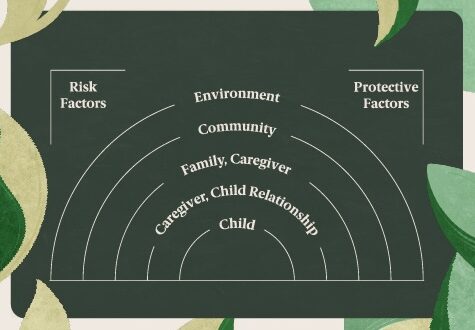
These factors are dynamic and constantly changing. They also influence each other. For example, the way parents interact with their children might be affected by a child’s temperament, as well as by factors that increase parent stress, such as poverty, employment conditions, and poor community safety and cohesion.
Environment
OpenFactors that the child does not directly interact with, yet shape their experiences.
Community
OpenFactors within the child’s wider family and community, their neighbourhood, environment and the services they use.
Family, Caregiver
OpenFactors affecting the child’s caregiver and their home environment.
Child
OpenIndividual factors shaped by genes and early experiences.
In this guide, we describe some of the most important factors that influence children’s social and emotional development. This is by no means a comprehensive account, but we hope provides a good overview. We give most attention to early relationships. The love and connection that children experience the most important determinant of early social and emotional development.
Risk and protective factors
Risk and protective factors describe the things in a child’s life and the world around them that influence their development.
- Risk factors are factors that have a detrimental impact on development.
- Protective factors promote good development or mitigate the impact of risks.
Individual risk and protective factors do not, on their own, completely determine a child’s developmental profile, but increase the likelihood of healthy development or developmental delays. The impact of any factor on development depends on the interaction with a range of other factors such as context, severity, the age of the child, and the level of exposure.
The impact of risk or protective factors is often cumulative: babies and young children who experience several different risk factors are significantly more likely to experience poor outcomes, with the likelihood of harm rising sharply as risks accumulate either at the same time, or over a period of time.
Children do not respond in a uniform way to the same experiences. This might be due to a range of factors such as genetic predispositions, or protective factors such as strong relationships in their lives. Some children are biologically more sensitive to external influences than others, and their wellbeing is disproportionately affected by both positive and negative factors – this is known as susceptibility.
The impact of an external event or experience depends on how the child experiences it physically and psychologically. For example, if a child experiences an adverse or frightening event in the absence of a caring relationship, they might find it traumatic and experience the excessive activation of their stress response system which impacts their developing brain and body. However, if the same event occurs when the child is in the presence of an attuned, loving and trusted adult, the relationship can help a child feel safe and lower their stress response system so that the event has fewer long-term effects.
Reducing risk and developing capacity
People and organisations can act in all the different levels of a child’s world and can support children’s social and emotional development in two ways
Questions for reflection
-
Consider the families you work with. What different risk and protective factors are influencing children’s development?
-
Can you think of a child or family who have done well despite experiencing adversity? What protective factors do you think might have helped them?
-
Reflecting on your life, can you think about which individual factors, and factors in the world around you, influence your wellbeing and functioning?
Chapter 6
Individual factors and their impact on development
Individual factors and their impact on development
Factors relating to the baby or child themselves, such as their biology, genetics, temperament, physical health, and wider development, influence their social and emotional development both directly and indirectly.
Click on each title for a description:

-
Nature or nurture?
Development is not purely about either nature or nurture – the two interact. Children’s development is a dynamic process, and children actively influence their environments. For example, a child’s temperament can shape both how adults respond to them, and how they interpret an adults’ responses. External factors also shape the child’s biology, for example, even before birth, maternal stress in pregnancy can cause a baby’s brain and body to adapt in ways that shape how they later respond to stress.
-
Physical health
Good physical health is important to support children’s wellbeing and early brain development, influencing their social and emotional development and the extent to which they can interact positively with the people and world around them.
-
Diet and nutrition
Good diet and nutrition, and a healthy microbiome is associated with better social and emotional development across the population.
-
Neurodivergence
Children who are neurodivergent may interpret and respond to the world in different ways to typically developing children and may also find it harder to thrive in a world often designed for typically developing children.
-
Health conditions and disabilities
Health problems, disabilities, and global developmental delay can influence a child’s social and emotional development and limit their exposure to growth-promoting experiences and environments. Therefore, it is especially important for those children and their caregivers to receive the extra support they need as early as possible, to minimise the risk of a cascade of secondary difficulties developing. Children with some conditions will still thrive if people recognise and respond to their individual strengths, needs, and preferences.
-
Developmental and language delays
Children who have problems or delays in developing other skills, such as language, can have lower social and emotional skills because different aspects of development are so interconnected. As described earlier, language helps children to understand the world around them and talk to others and ask for help when they are frustrated or upset.
Questions for reflection
-
Have you observed how a baby or child’s nature or temperament influences how they interact with the world around them? What influence did this have on other people around the child?
-
What might we do to support social and emotional development amongst children where global developmental delay impacts on many aspects of their development?
Chapter 7
The vital importance of early relationships
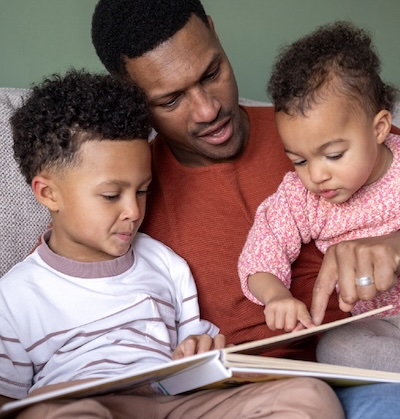
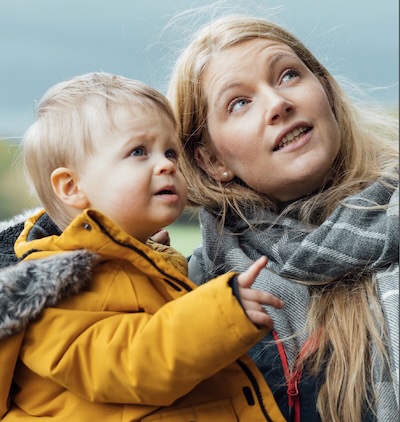
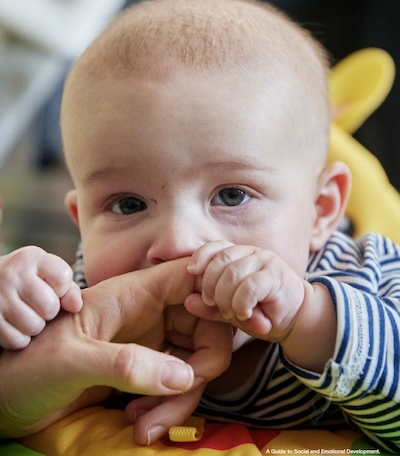
Children need adults who provide consistent, nurturing care. This means noticing and responding sensitively to children’s needs and interests, and what they express through verbal and non-verbal cues and communications. Adults also support children’s development by providing appropriate levels of stimulation, support, and encouragement.
Healthy relationships are not just important for children’s development. They are also part of what makes the day-to-day moments of life meaningful, fun, and rewarding for both children and adults. Relationships with parents and other primary caregivers are particularly crucial for children’s development, but any adult who is in a caring role with a child, including early educators, grandparents, and others, can interact with them in ways that support social and emotional development. In different cultures and communities, children may be looked after by many caring adults in their family and community in early childhood. The adults around a family can also support primary caregivers in ways that build their capacity to provide the care their children need.
Parents cannot determine who their child will become. As psychologist Alison Gopnik describes, parents are not like carpenters who can shape a child into very specific final product, but rather gardeners, who nurture the growth of a child in the context of other factor.
Children also do not need their parents to be perfect. Pediatrician and psychoanalyst Donald Winnicott established that children just need ‘good enough’ parenting and actually learn when parents do not get everything right.
Sensitive relationships not only actively support development – they can also act as a buffer protecting children against negative factors in the world around them. If a child experiences adversity, it will be less harmful in the presence of a loving and trusted adult who can provide reassurance and care.
Key concepts in early relationships
In this section of the guide, we describe some of the key elements of nurturing care. These are high-level principles. We are all individuals, and what nurturing care will look like may differ between people, in different cultures, and at different ages in development.
Rupture, repair and “good enough” care
Babies and young children do not need their parents to be incredibly responsive all the time. In fact, too much responsiveness can actually be overstimulating and intrusive for babies. Babies and young children’s development is best supported by interactions in a mid-range – responsive enough, but not overwhelming. This is part of “good enough” parenting.
Breakdowns or mismatches in interactions (known as ruptures) where adults miss a child’s cues or respond incorrectly are common. Grown-ups might have missed or misattributed children’s cues or have responded in a dismissive or harsh way which is unsettling or upsetting for the child. If repeated and left unresolved, ruptures might eventually lead to a child feeling unsafe, sad, stressed, or alone in ways that can have disruptive impacts on their physical and emotional development, expectations of relationships, or sense of self. However, if ruptures are repaired it can help the child to feel loved and actively support their social and emotional development.
Repair might happen if an adult shows sadness or regret in their expression, apologises, or responds quickly in a more sensitive way. These moments of reconnection can help a child build trust and resilience. The process of “rupture and repair” helps children to learn that, even though relationships may not go smoothly all the time, they can still rely on their caregivers, and they are still loved and lovable. Experiencing ruptures and repairs in early relationships prepares us for difficulties in later relationships and helps children to learn to deal with some discomfort, without it feeling catastrophic or them losing trust in the people around them.
Experiencing rupture and repair also gives children a template for how to deal with difficulties in relationships, which they can use themselves in other relationships as they grow (for example, to deal with a falling out with friends).
Impact of care that is not “good enough”
No adult is attuned to a child, sensitive, and responsive all the time. Some parents may be unresponsive, inconsistent, intrusive or abusive towards their child, or neglect their physical or emotional needs. These forms of relational adversity have a significant negative impact on children’s social and emotional development, particularly if they are severe, prolonged, and occur early in a child’s life.
Some adults consistently miss cues given by children, attributing their behaviour incorrectly or responding insensitively. This is called misattunement.
Misattuned responses to a child’s distress might include:
- Ignoring or dismissing emotions and cues.
- Interpreting a child’s frustration or distress as bad behaviour and responding harshly.
- Trying to distract a child rather than acknowledging their emotion.
Most parents love their children and try to do their best. Misattunement might happen because parents do not have the emotional capacity to perceive, respond to, or cope with their child’s needs, and because they may have learned these responses from their own caregivers.
Repeated and consistent experiences of misattunement can be distressing for a child in the short term and damaging for their emotional development. Children may learn to stop expressing their needs, or to unconsciously reject their needs because they learn that these needs will not be met. As described earlier, the absence of nurturing care can also have lasting impacts on children’s developing bodies and brains.
Questions for reflection
-
Can you think about examples of nurturing care you have observed recently in families you work with?
-
How might nurturing care look different for different children, and at different ages and stages of development?
-
What do you think supports parents to provide sensitive, responsive care to their children?
Chapter 8
The role of parental capacities and stresses.
The role of parental capacities and stresses
An adult’s experience now and in their past will influence how they care for babies and young children. Adults are best able to nurture a child when they have good social and emotional skills themselves – when they are healthy, and when they have the resources and support they need. Parental wellbeing, supportive couple and community relationships, and family-friendly employment all help parents to provide sensitive, nurturing care.
Click on each title for a description:
-
Parents’ skills and capacities
Most parents love their babies and want to do their best by them. However parents and caring adults are not always able to provide sensitive, nurturing care.
Adults’ own social and emotional skills influence their parenting ability. Parents who have poor emotional regulation, for example, may struggle to stay calm and be attuned when children display negative or intense emotions.
Adults’ ability to notice, understand, and respond to mental states – capacities called mentalisation – underpin their ability to provide sensitive, responsive care to babies.
Mentalisation3 is the ability to understand actions and behaviours in terms of underlying mental states, such as desires, feelings, and beliefs in ourselves and others. Mentalisation helps parents to tune into what a baby’s cues might be telling them about the baby’s needs and experiences. This supports sensitive, responsive care. A parent’s ability to mentalise is linked to more positive social and emotional outcomes for children.
Adults who did not receive sensitive care in childhood may have more difficulty mentalising and responding to their child’s emotional needs. They may not have a model of what sensitive, responsive care might look like. High-quality services and interventions delivered by skilled practitioners can support adults to develop these capacities if they have not had the opportunity to develop them before becoming a parent.
-
Parental stress and trauma
Whilst early relationships are critical to development, it is important to recognise that these relationships do not occur in a vacuum. Persistent or transient factors in parents’ lives influence their interactions with their children and can therefore impact children’s social and emotional development.
Factors such as domestic violence, parental substance misuse, parental conflict, parental mental illness, and having a parent in prison are all associated with an increased likelihood of worse outcomes in children, including poor social and emotional skills, poor mental health, and stress-related physical health problems like heart disease, diabetes, and addiction. The more parental risk factors a family experiences, the greater the risk of a child having poor outcomes.
Some parental factors such as mental health problems, domestic violence, and low income are more common in early childhood than at other times. Women face an increased risk of mental health problems in the perinatal period (pregnancy and the first year of life) and are at higher risk of domestic abuse in this period too. Perinatal mental health conditions affect as many as 1 in 4 mothersxi. Families in early childhood are at greater risk of poverty and low income.
Parental risk factors are highest amongst parents who themselves suffered adversity in their early childhoods. Therefore, we can often see intergenerational patterns of social and emotional difficulties, but these are not inevitable and not irreversible.
Parental stress factors can influence child development in a number of ways – for example, without the right support, maternal mental health problems in pregnancy can influence foetal development and might influence parent-child interactions after birth.
Parents who experience high levels of stress and adversity, or who have experienced adversity in their own childhoods, are more likely to struggle to meet their child’s developmental needs. It is harder to be attuned and responsive when your own stress -levels are high and/or when you lack experiences of nurturing relationships, or have experienced inconsistent, unresponsive, or intrusive parenting in your own childhood. Factors associated with more difficulties in early parent-child relationships include trauma history, mental health challenges, substance misuse, poor health, or conflict in relationships.
It is hard for adults to co-regulate a child or respond sensitively to the child’s emotions if their own emotional needs have not been met, and they struggle to regulate their own emotions. Current stressors – such as mental health problems or overwhelming life pressures – can also make it harder for an adult to be emotionally present, notice cues, and keep a child’s needs in mind.
-
Technoference
Technology can have a range of both positive and negative impacts on children’s lives. Technoference refers to how technology can interfere with our relationships and connections in detrimental ways. This is becoming more prevalent due to the ubiquity of digital devices in our everyday lives, and their ability to grab and hold our attention. Persistent technoference can have an impact on children’s social and emotional development.
When parents are distracted by digital devices, they might be less likely to notice and respond to children’s social and emotional cues. They might miss things that children are paying attention to or experiencing, which help them as adults to understand and respond appropriately to the child’s behaviours. Opportunities for the attuned, back-and-forth interactions that build healthy brains are missed.
Adults might also be tempted to use digital devices to soothe children – such as getting out a video on a phone to calm the child as soon as they are distressed. By doing this, we are missing opportunities to develop personal connections and teach them how to understand and manage their emotions. In these instances, children are also learning to turn to digital devices when they want to feel better, which can both interfere with their development and create habits that could be damaging later.
Practitioners as part of the system
When practitioners work with parents and families, they, and their organisation are part of the eco-system that influences a family’s wellbeing and functioning. Services and practitioners that unintentionally add to the stress and overwhelm that parents face can have a detrimental impact on family relationships. The way services interact with parents can also positively influence parents’ capacities to care for their child. Being relational in interactions with families – showing empathy, care and compassion, holding them in mind, and providing emotional containment – helps to reduce parents’ stress and supports them to provide nurturing care to their families.
Questions for reflection
-
What are the different ways in which childhood adversity might impact on a person’s later parenting capacity?
-
How might services reduce stresses on parents and build their capacity to provide nurturing care?
-
How have factors in your life impacted on your relationships and your interactions with babies and young children?
Chapter 9
Supporting Social and Emotional Development in homes, communities, and education settings.
Social and emotional development in children’s homes, communities, and education settings
Home environments, education settings and daily activities influence a child’s development.
Click on each title for a description:
-
Belonging
Throughout the many different environmental contexts which provide the background to a child’s development, a sense of belonging can be vital.
Research shows that when babies and young children feel that they belong and matter in the places they grow, play, and learn, there is an association with a range of positive mental health and educational outcomes; this supports their wellbeing and development. Conversely, feeling that they don’t belong can be harmful to children, and can have widespread and lasting negative consequences.
Belonging is the feeling that you are part of the system that surrounds you – which might be a family, friendship group, education setting, or community. Children feel that they belong when they feel accepted, respected, understood, and supported by the people around them. A sense of belonging helps children to know themselves, develop their sense of identity, and feel connected to the people around them. Children who feel they belong are more likely to participate in activities and seize opportunities to explore, play, and learn.
Alongside providing nurturing care and a sense of belonging, adults in children’s lives can also support their social and emotional development through a range of stimulating and nurturing activities.
-
Play
Play has an important role in child development and supports emerging social and emotional skills.
Children can play in many ways: it can be social or solitary, and can take different forms such as pretend play, building and construction, games with rules, or physical play. Play can be hard to define, as the same activities can be playful or not depending on the context: it matters that a child has some agency and enjoyment from the activity. For example, a child choosing to climb a ladder for fun and exploration might be playing, but a child told to climb a ladder in a PE lesson might not experience that as play. Play can enable children to have choice and agency, which they might not experience in their day-to-day life; this supports both their enjoyment and development.
Different types of play can support children’s development in different ways. Play can help children to develop a range of skills and strategies such as focusing attention, curiosity, and creativity. Play can help children learn about themselves and other people, and practice and develop their social interactions. For example, in construction play, children might practice focusing their attention and persisting to achieve a goal. In pretend play, children collaborate to create a shared imaginary world and can act out a variety of emotions and characters in a way that supports their understanding of the social world. When adults join in children’s play it can help them feel loved and can support connections.
Alongside free play, participating in organised activities and sports has been shown to improve children’s social and emotional development.
-
Creativity, art, and music
Taking part in arts and musical activities can support children’s creativity as well as their social and emotional skills:
- Visual arts, dance, and music can help children to understand and express themselves.
- Children can explore, identify, and express emotions through different types of music.
- Music can be calming, lowering stress and supporting emotional regulation.
- Many creative activities require children to focus their attention on a task.
- Making music with others is a shared experience which helps to nurture relationships. Music can also enable children to practice social skills like taking turns and cooperating.
- Many creative activities require children to focus their attention on a task.
- Children can explore, identify, and express emotions through different types of music.
-
Story sharing
Sharing books with grown-ups also supports young children’s social and emotional development in different ways. Sharing books can mean reading, but it does not have to involve reading a book from start to finish – it can be using books and the pictures in them as the basis for conversation and play.
Book sharing is often an activity that adults enjoy and find reduces stress, creating a calm environment in which adult and child can enjoy each other’s company and experience love and connection.
Sharing books – including picture books – can provide a basis for connection and conversation with others. In a book, children can process what is happening more easily than in real life: it can be easier to see emotions and to talk about what is happening in a story than during our busy daily lives. Through books, children can also learn about people, concepts, and feelings, expanding their understanding and vocabulary in ways that support their social and emotional development. Having a stronger emotional vocabulary helps us as we try to understand our own feelings and those of other people.
-
Nature
Some environments provide children with more opportunities to develop and learn. When environments enable children to be safe and comfortable, they are better able to develop. When environments provide less stress or distraction, children are better able to connect with their own thoughts, the people, and the things around them. For example, in outdoor spaces where it is quieter, children may be calmer and find it easier to engage with people and activities.
Access to nature and green or blue spaces is also vital for wellbeing and development. In nature, children might have more opportunities to explore the world, to be curious and creative, and to experience joy and wonder. They might also engage in more challenging activities, like climbing trees, that support them to focus their thoughts and manage their emotions.
Being outdoors can support children’s wider health and wellbeing. For example, children might feel calmer and experience a sense of connection with the natural world. Escaping from the built environment and the distractions of normal life can help to reduce stress levels.
Questions for reflection
-
What different types of play do the children you work with enjoy? How might you boost their social and emotional skills through play?
-
What might be the barriers and constraints that get in the way of children’s play and how could these be addressed?
-
Consider the different environments in which you live and work. Which environments help your wellbeing and functioning?
Chapter 10
Factors in the community and wider society
Factors in the community and wider society
While nurturing care can buffer children from adversity, it cannot fully protect them from all the factors that might influence their development, including availability of nutritious food, safe and stable housing, access to enriching environments and natural spaces, social safety and stability, and culture.
These factors disproportionately affect some children: children with different ethnicities, gender, and/or family income, and in different parts of the UK, can have different access to positive opportunities and experiences.

Discrimination in society can impact on families’ stress levels, social support, and their ability to access and benefit from different opportunities and resources such as shared public spaces and services.
Government policies and public services, local communities, and even businesses – who can implement family-friendly policies and wider workplace practices that can influence parental wellbeing – can play a role in addressing the factors that impact early social and emotional development.
Questions for reflection
-
How do public policies and economic conditions influence the connections in families, and the wider context in which the children you work with grow and develop?
-
What are the different ways in which marginalised communities might have fewer opportunities to support children’s social and emotional development?
-
What could be done across wider society to help more children achieve good levels of social and emotional development?
Conclusion
We hope that this guide has helped you to understand more about what social and emotional development is, and why it matters.
You will also have learned that children’s social and emotional skills are shaped by their early experiences, and that the love and connection they have with their parents and caregivers are particularly important. The people in families, communities, and services around children can support their healthy development through supporting nurturing relationships and the environments and experiences that enable children to thrive.
Since social and emotional development is the result of a complex interplay of factors, no single person or service can ensure children develop the skills they need. Many services and policies, alongside families, businesses, and communities have a role to play.
By building our shared understanding of social and emotional development, we have a stronger foundation for action across society. Together, we can all help more children to develop the skills they need for a happy, healthy life.