The Princess of Wales commissions new work exploring the role of nature in early childhood
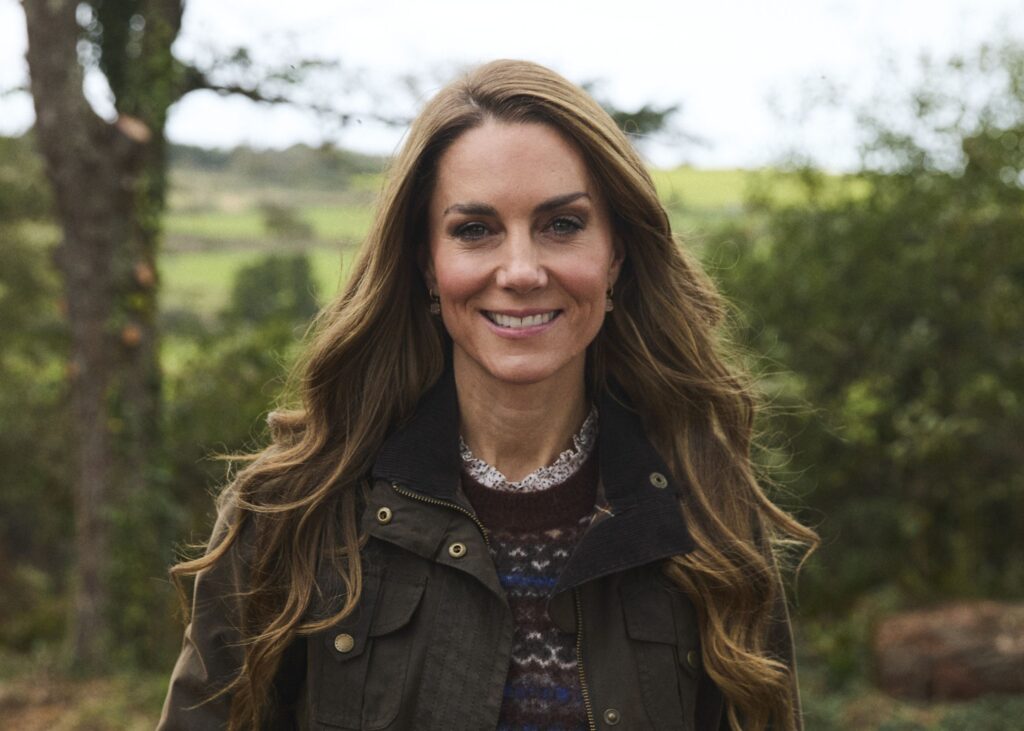
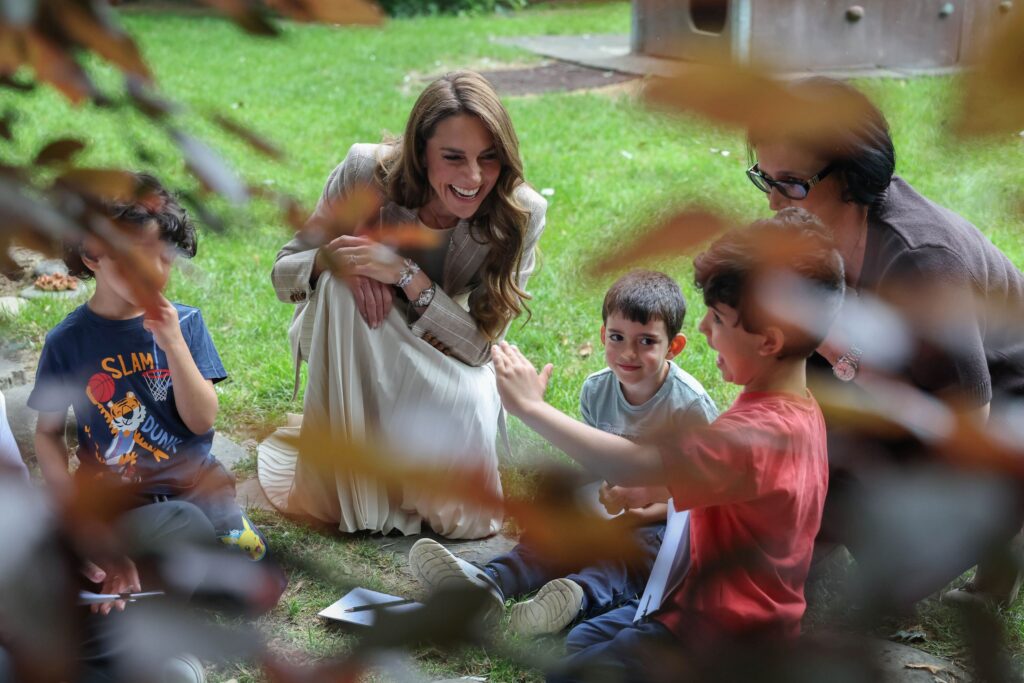
Her Royal Highness The Princess of Wales visited Cornwall to learn more about the potential of nature-based learning in the earliest years of life and to announce a new project from The Royal Foundation Centre for Early Childhood, working with The Duchy of Cornwall as a founding partner.
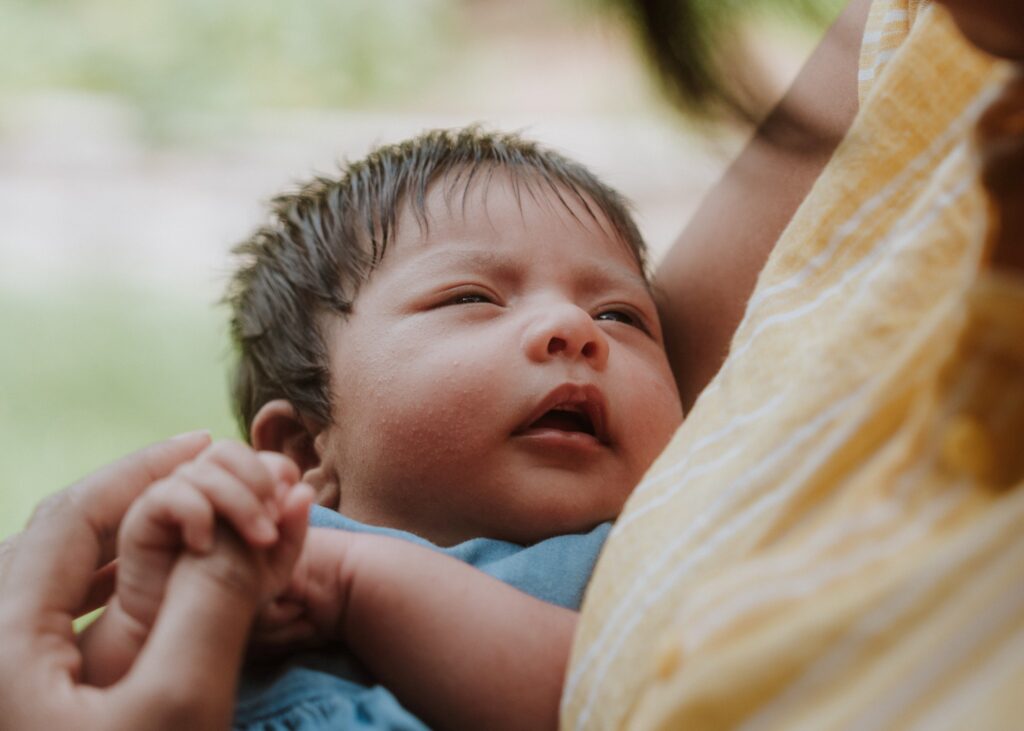
The Princess has commissioned The Centre for Early Childhood, working alongside expert partners, to explore how nature-rich environments, alongside nurturing relationships, can help babies and young children build core social and emotional skills that are the basis for lifelong wellbeing.
In this video, The Princess of Wales explains why The Centre for Early Childhood is exploring the role of nature in supporting babies’ and young children’s social and emotional development.
Human connection and relationships form the bedrock of a healthy, thriving society. While we are shaped by people, experiences and environments throughout our lives, particularly profound and enduring foundations for lifelong flourishing develop during our earliest years.
The Centre’s Shaping Us Framework and Foundations for Life Guide provide the evidence-based science of early childhood development, with an emphasis on the most important social and emotional skills which shape who we are, how we manage our emotions and thoughts, how we communicate with and relate to others, and how we explore the world.
This new project will take this developmental science and explore how it can be applied more ambitiously and effectively through nature-based settings.
New polling commissioned by the Centre found that while 84% of parents believe spending time in nature supports their child’s wellbeing and development, only 33% say their child spends time in nature every day. Most parents would like their child to spend more time in nature and have greater access to nature-based experiences through childcare and education.
The new work builds on The Princess’s longstanding interest in the connection between nature, creativity, relationships and human development, themes which have become central to Her Royal Highness’s work through The Royal Foundation Centre for Early Childhood.
It follows a number of visits and engagements in the UK and internationally, including in Denmark and more recently Reggio Emilia in Italy, where The Princess met educators, researchers and practitioners exploring pioneering approaches to early childhood development, learning and the role of nature in children’s everyday experiences.
These visits have helped inform The Princess’s growing interest in how environments, relationships, creativity and connection work together to shape children’s earliest years and lifelong wellbeing.
The project will bring together academics, early years practitioners, charities and environmental organisations to better understand how children’s access to nature can support healthy social and emotional development during the early years.
Christian Guy, Executive Director of The Royal Foundation Centre for Early Childhood, said:
“The Princess has long championed the importance of the earliest years and the environments in which children grow, play and learn as a golden opportunity to create a healthier, happier society for future generations.
“There is a real opportunity here to shape the future of early years development, and this project will bring together evidence, expertise and practical experience from around the UK and the world, to better understand how nature-rich environments can help nurture confident, curious, creative and emotionally healthy children.”
Dr Nicola Kemp, Director of Insight and Impact at The Froebel Trust, said:
“A growing body of evidence shows that regular contact with nature can support children’s development in many ways, helping to foster curiosity, creativity, emotional wellbeing and social connection. Childhood provides a particularly important opportunity to develop these connections.
“Bringing together expertise from early childhood development and environmental science presents an exciting opportunity to better understand how the benefits of a relational nature-based approach can be embedded in children’s everyday experiences from the very start of life.”
Further details on the project will be announced in due course.